Note d'actualité
En quelques jours, nous vous remettons une note courte et sourcée qui établit les faits et mesure votre exposition.
On nous demande
Que devient ma filière si le détroit d'Ormuz ferme ?
Navigable est un cabinet d'analyse indépendant spécialisé dans les dépendances physiques de l'industrie. Nous étudions les risques qui menacent sa capacité à produire et les moyens de renforcer sa souveraineté.
5 octobre 2026
20 août 2026
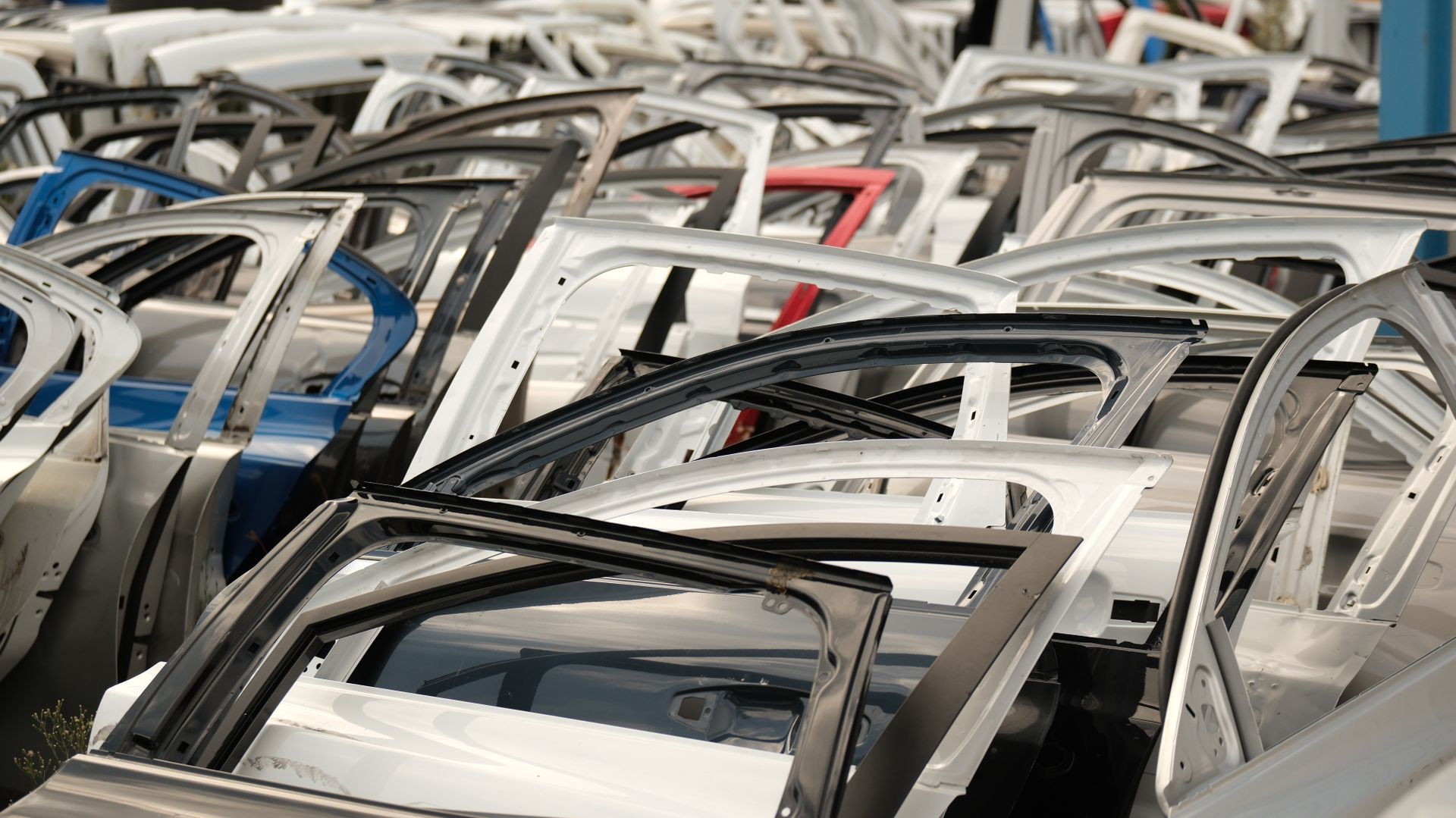
2 août 2026
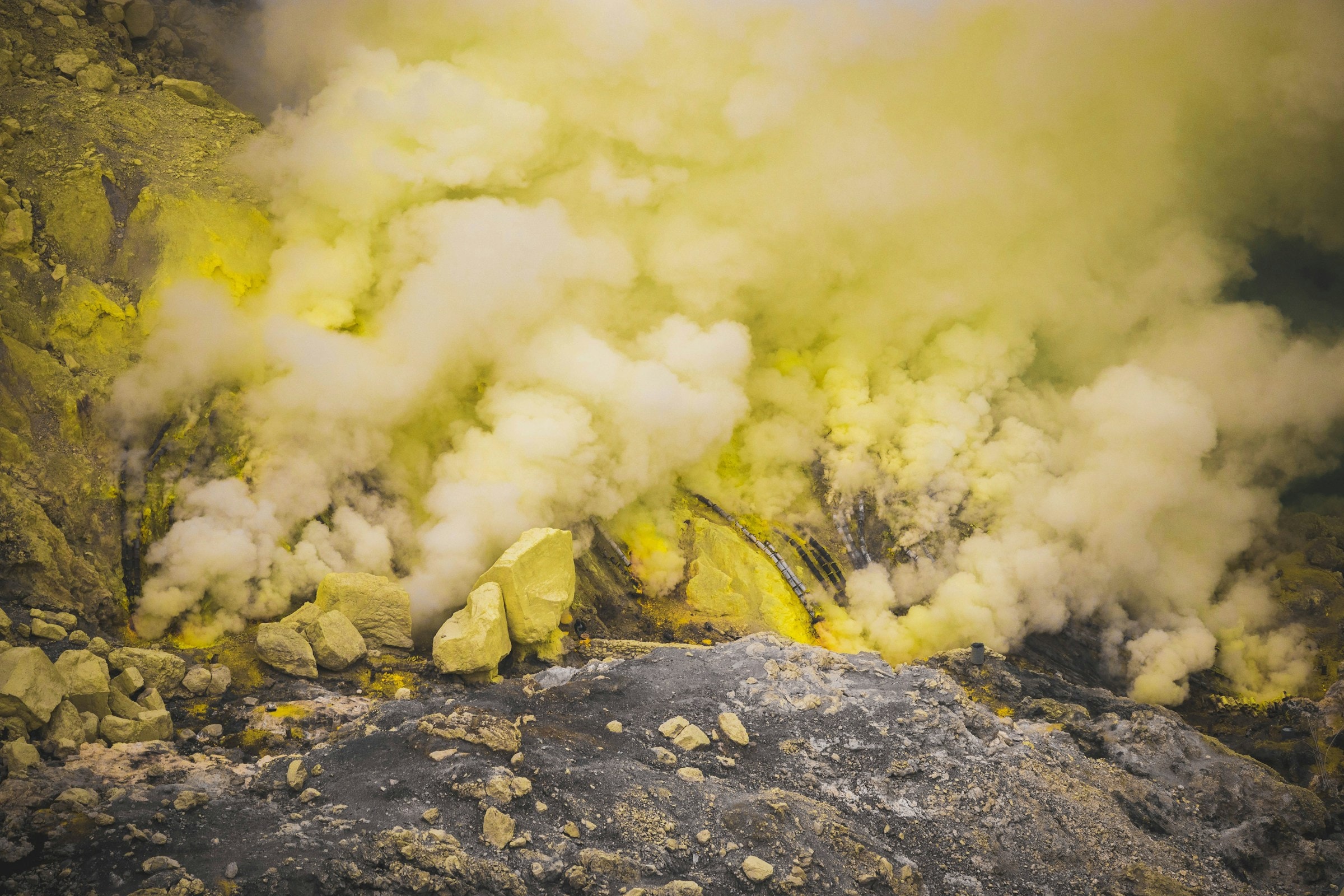
10 juillet 2026
Trois façons de répondre, selon le temps dont vous disposez. Quelques jours pour établir ce qui vient de se passer, quelques semaines pour trancher un choix qui engage. Nous venons présenter le travail chez vous.
En quelques jours, nous vous remettons une note courte et sourcée qui établit les faits et mesure votre exposition.
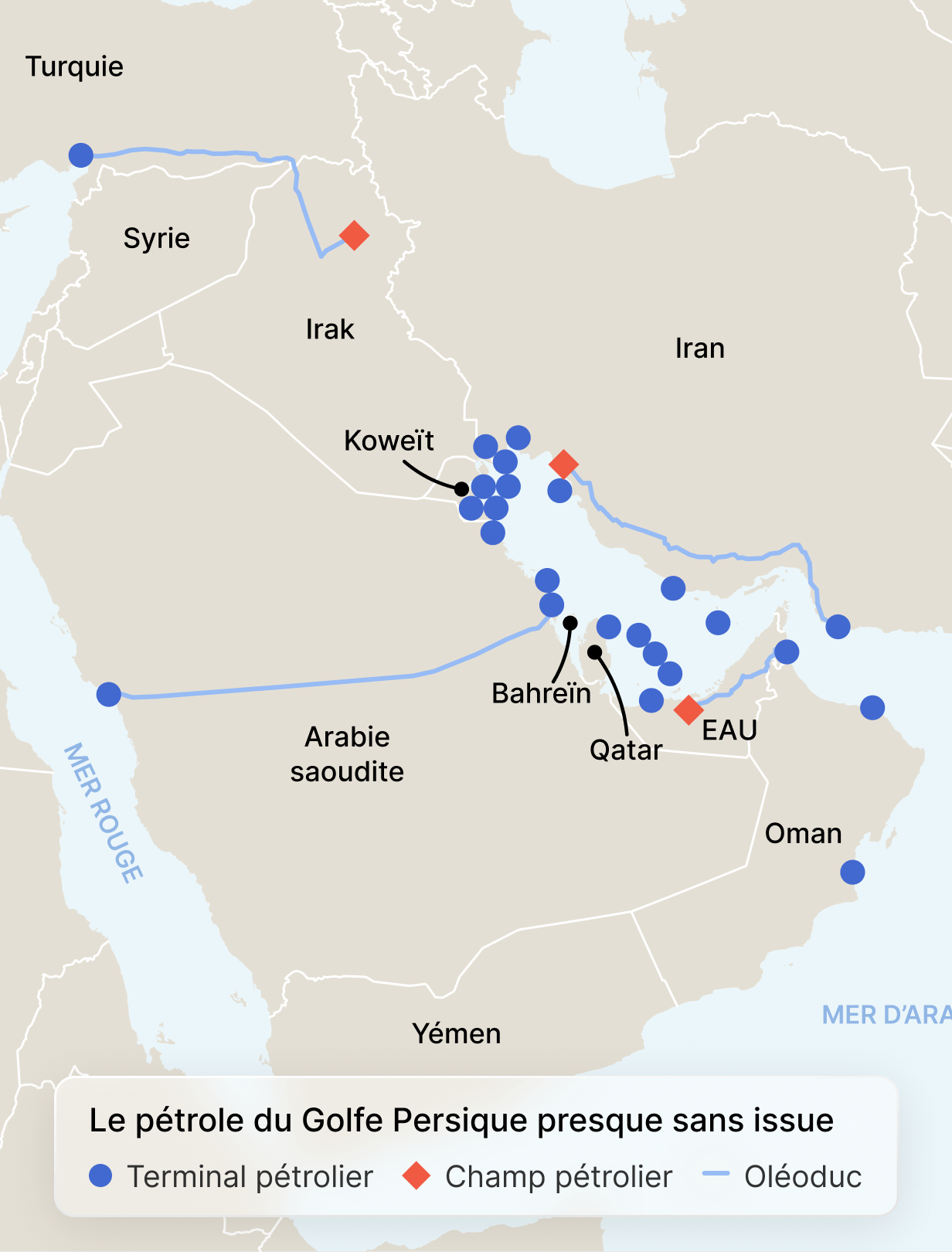
Vous repartez avec la carte de vos dépendances et les quelques points de rupture qui appellent une décision.
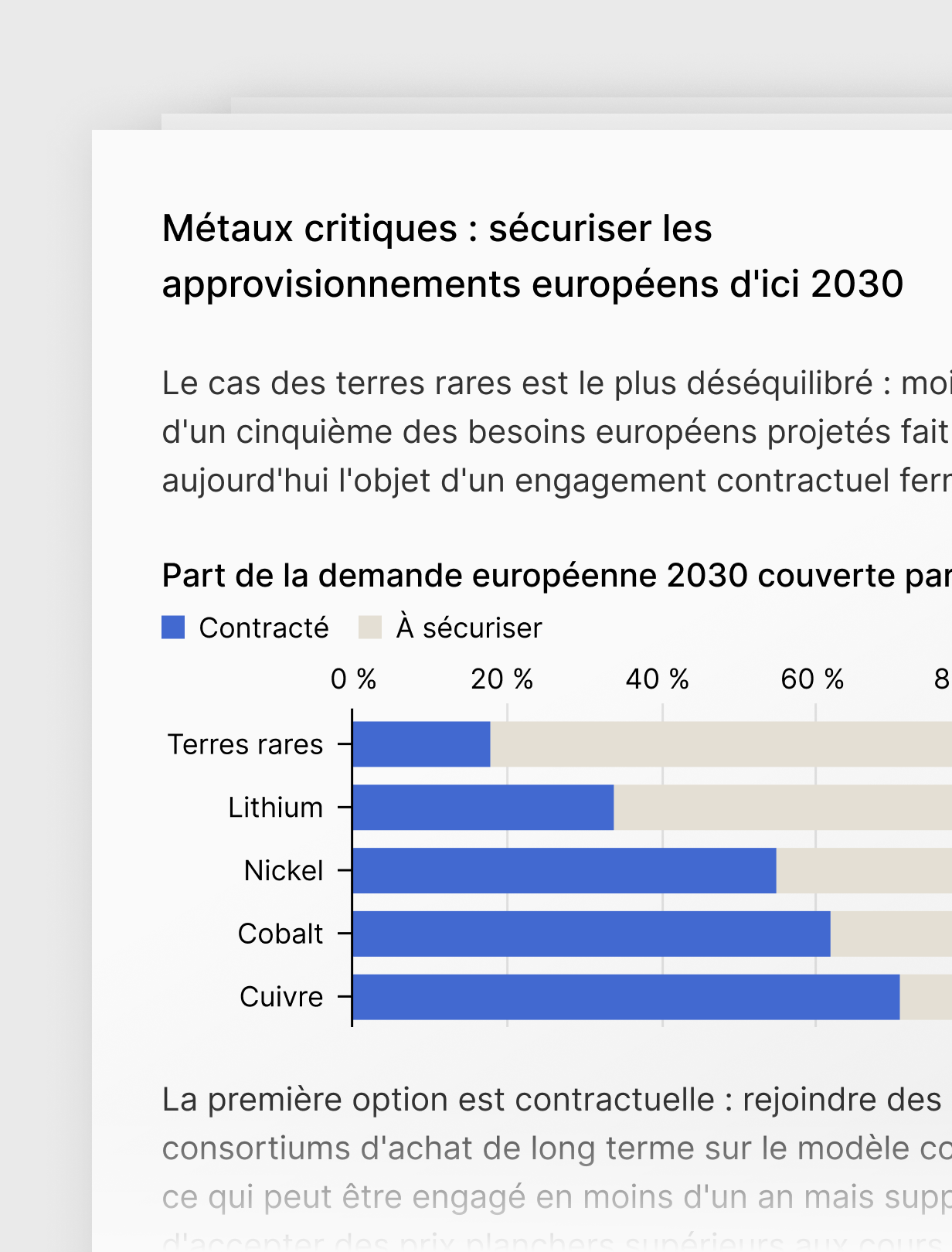
Une question qui engage votre organisation, traitée dans un rapport chiffré que nous venons présenter.
Nous venons chez vous pour une intervention d'une demi-journée à deux jours.
Ils nous permettent de répondre en quelques jours à des questions qui demandent d'ordinaire plusieurs semaines, et de repérer les changements dans une filière avant que cela ne se lise dans la presse.
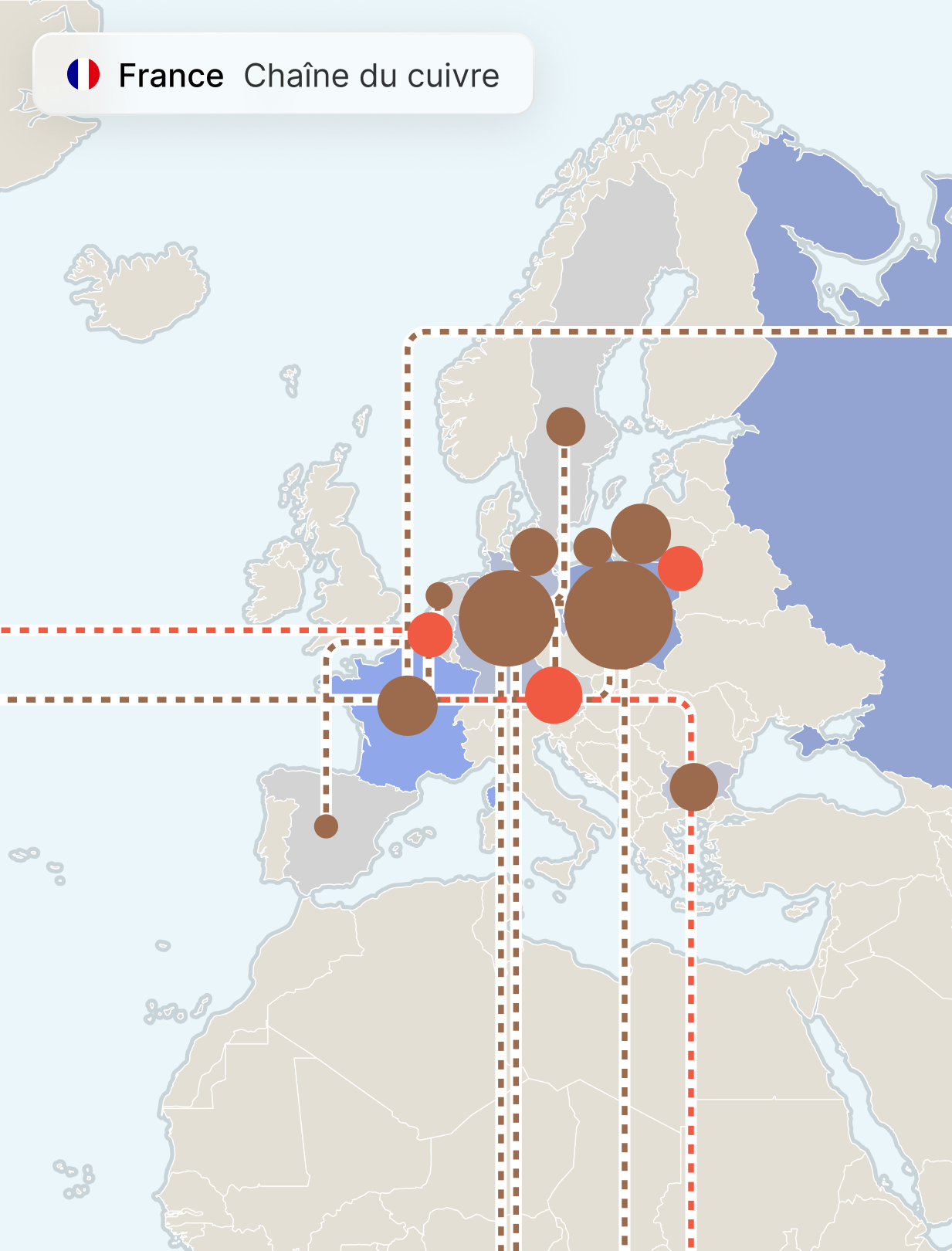
Un modèle des flux mondiaux qui remonte d'un produit fini jusqu'aux matières et aux pays dont il dépend.
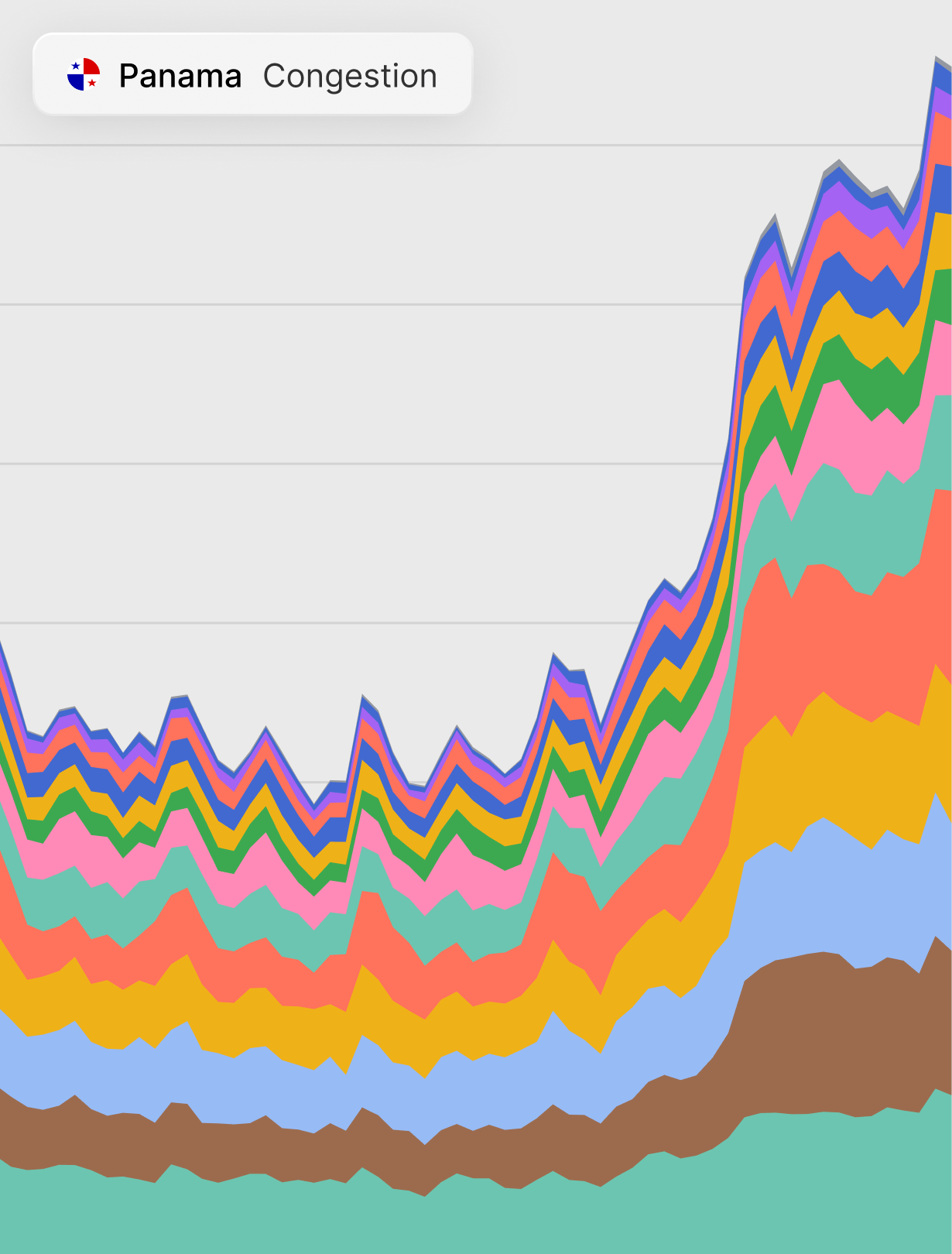
Une lecture continue de la presse mondiale, qui voit bouger les flux physiques avant que les statistiques ne l'enregistrent.
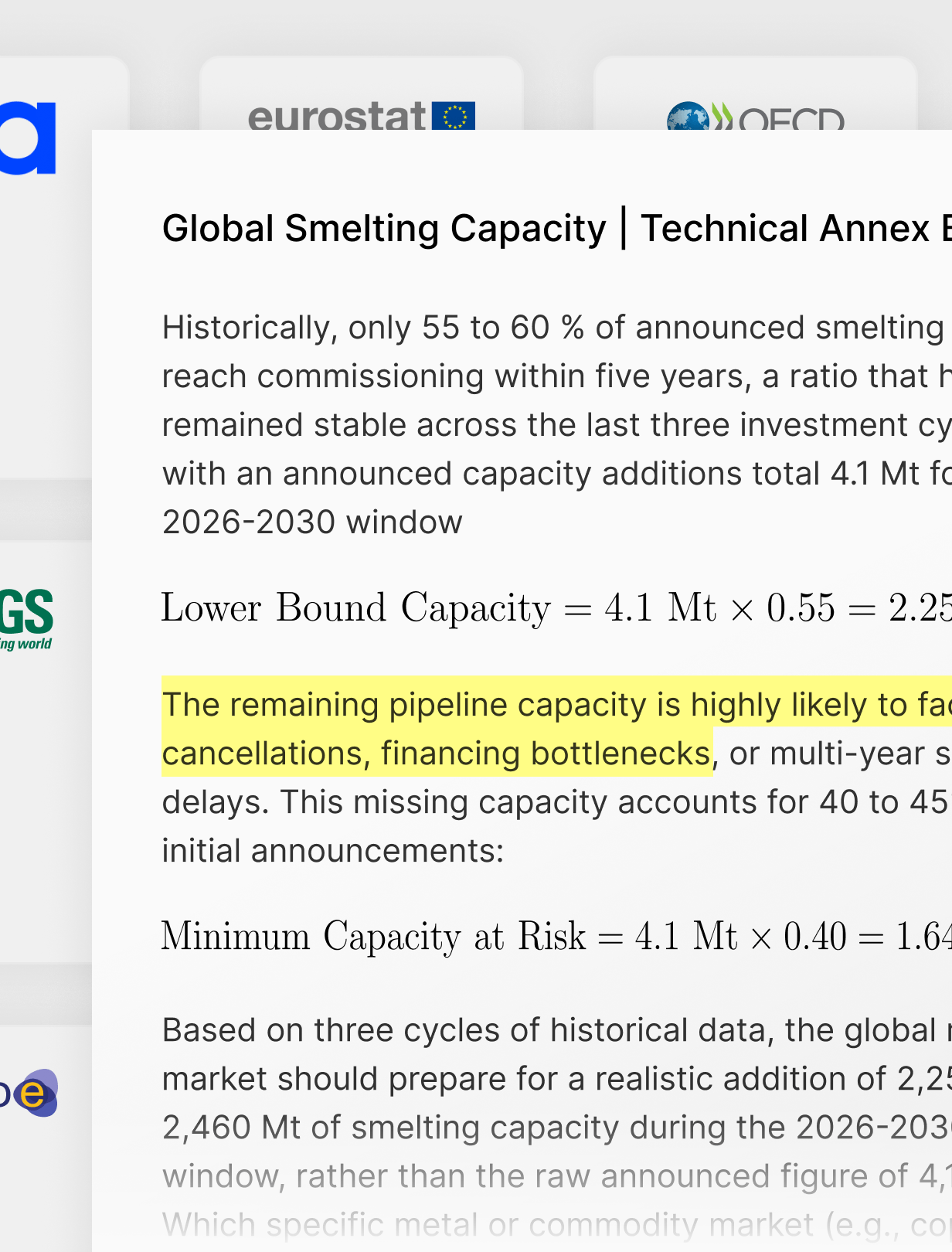
Publications de référence, travaux académiques et données techniques de l'industrie et de l'énergie, rassemblés à la main.
Nous travaillons pour des ministères, des agences publiques, des think tanks, des industriels et des investisseurs. Une partie de ces missions est publique.
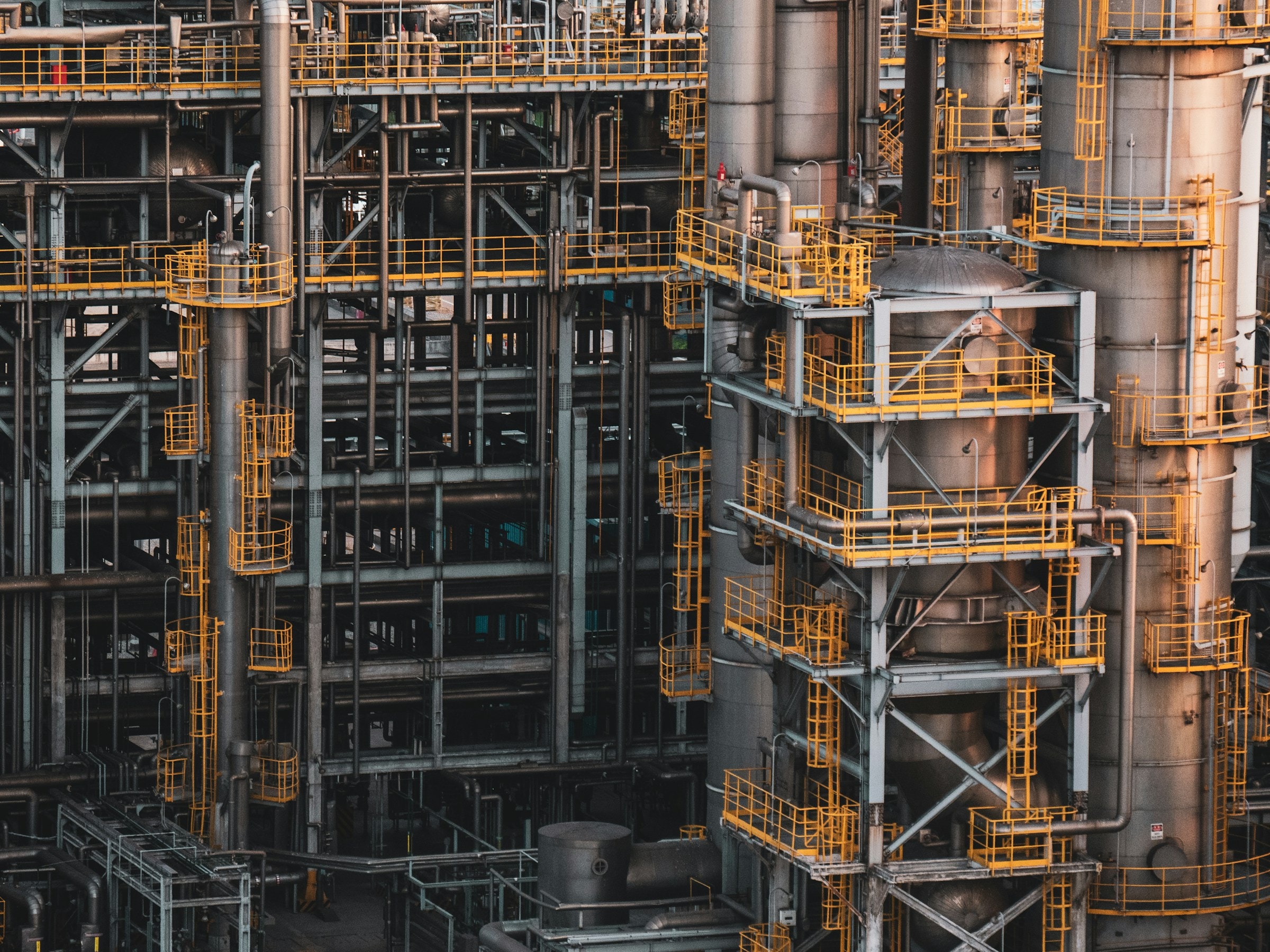
Pour The Shift Project, nous avons produit la matière cartographique d'un programme sur la transformation des territoires. Capacités industrielles, ressources locales, transport, logement, agriculture et exposition au changement climatique, à la maille communale sur toute la France.
2023 - 2026

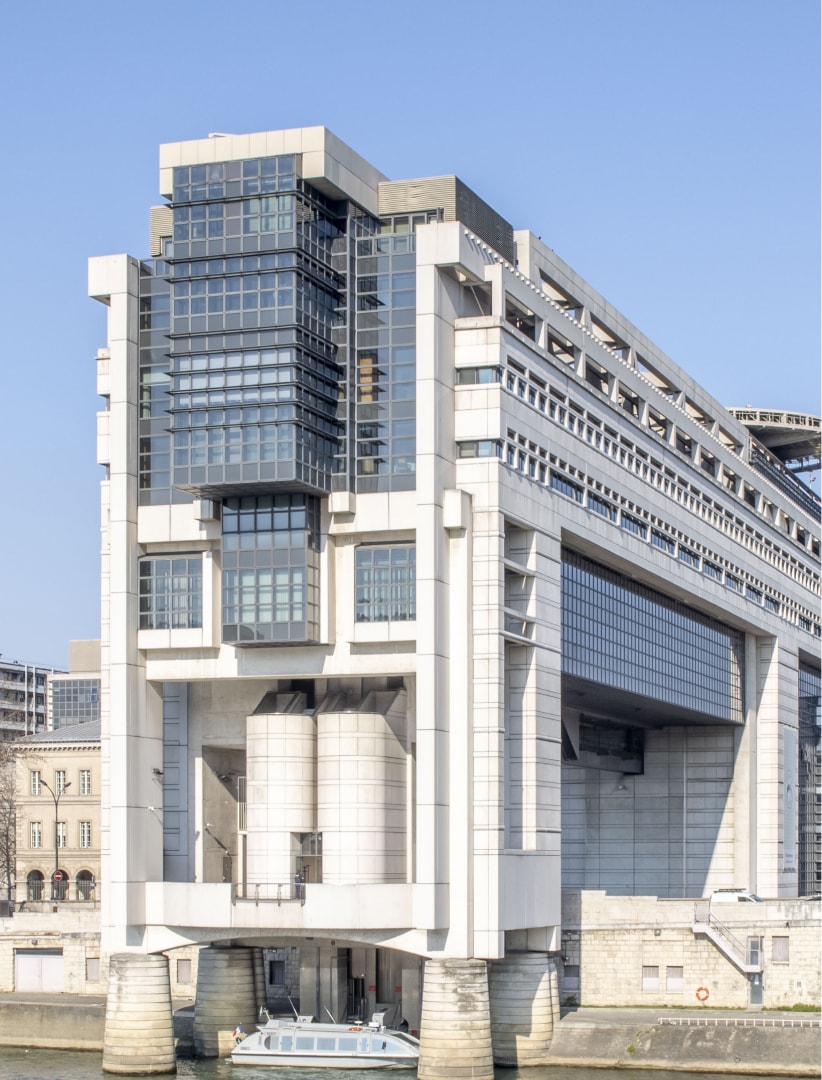
Le Conseil national de l'information statistique recueille les besoins des utilisateurs de la statistique publique française. Nous y avons travaillé sur ce qui manque aujourd'hui pour décider en matière d'industrie, d'énergie et de matières, et sommes intervenus devant les producteurs de statistique comme devant leurs utilisateurs.
2026

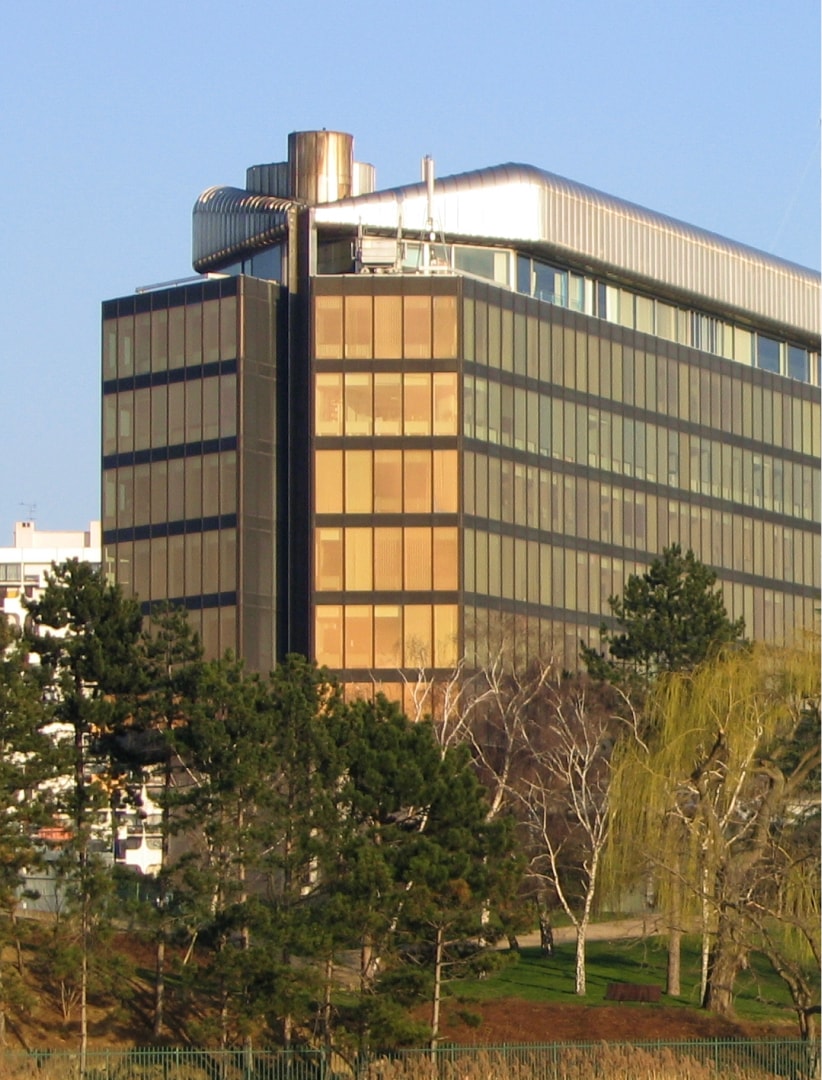
À l'invitation de la préfecture du Val-de-Marne, nous avons présenté devant les services de l'État, des collectivités et des acteurs privés notre façon de concevoir une plateforme d'accès aux données. Le sujet portait sur ce qu'un territoire peut réellement mesurer de sa transformation industrielle et énergétique, et sur les données qu'il faut réunir pour y arriver.
2026


Pour le Commissariat général au développement durable, nous avons aidé l'Ecolab, son laboratoire de données, à choisir et à mettre en forme les jeux de données des futures plateformes publiques sur la transition écologique.
2025

Un premier échange d'une heure pour comprendre votre question. Sous une semaine, vous recevez par écrit ce que nous proposons d'étudier, comment, pour quel budget et avec quel calendrier. Nous sommes prêts à démarrer dès que vous l'êtes.
Posez votre question